Installing an irrigation system can transform your landscape, ensuring that plants receive the right amount of water while conserving resources. However, many homeowners and landscapers make critical mistakes that can lead to inefficiencies, increased costs, and even damage to vegetation. Understanding these pitfalls is essential for a successful installation and long-term maintenance of your irrigation system.
Underestimating Water Requirements
One of the most common errors in irrigation installation is underestimating the water needs of different plants. Each species has its own requirements based on factors such as climate, soil type, and growth stage. For instance, newly planted trees often require more frequent watering than established ones. Failing to account for these irrigation maintenance differences can lead to overwatering some areas while neglecting others.
To accurately determine water needs, consider conducting a thorough analysis of your garden or lawn. This could involve checking soil moisture levels or using plant guides that specify how much water various species require. Additionally, grouping plants with similar watering needs together can simplify the irrigation process and ensure efficient water management.
Ignoring Soil Type
Soil type plays a crucial role in how water is absorbed and retained. Sandy soils drain quickly but retain less moisture, whereas clay soils hold onto water but may become compacted, leading to poor drainage. If you overlook this aspect during installation, you could easily end up with uneven watering across your landscape.
Before installing your irrigation system, assess the soil composition in different areas of your yard. This information will help inform decisions about sprinkler placement, drip emitters for sensitive plants, or even adjustments in the timing and frequency of watering cycles. For instance, if you have heavy clay soil in one section and sandy loam in another, you may want to Have a peek here install deeper drip irrigation in the clay area while using surface sprinklers for the sandy section.
Misplacing Sprinkler Heads
The positioning of sprinkler heads significantly impacts the efficiency of an irrigation system. Placing them too close together can lead to oversaturation in certain spots while other areas remain dry due to insufficient coverage. Similarly, positioning them near raised flower beds or shrubs can obstruct their spray patterns.
When planning your layout, take into account factors like plant height and spacing between fixtures. A good rule of thumb is to space sprinkler heads so their spray patterns overlap slightly. This ensures complete coverage without leaving any dry patches.
Additionally, consider wind direction when placing spray heads; windy conditions can cause water drift away from intended areas. By strategically locating your sprayers based on both height and environmental factors, you enhance overall effectiveness and reduce waste.
Failing to Account for Local Regulations
Many regions have specific regulations regarding water usage due to drought conditions or environmental considerations. Ignoring these restrictions not only leads to potential fines but also undermines efforts towards sustainable water management practices.
Before proceeding with installation, familiarize yourself with local ordinances concerning irrigation systems. Some municipalities offer guidelines on optimal watering times or recommend specific technologies that reduce consumption such as smart controllers or drip systems designed for efficiency.
If you're uncertain about regulations in your area, reach out to local authorities or consult with landscape professionals familiar with compliance issues pertaining to outdoor water use.
Neglecting Maintenance Needs
An installed irrigation system requires regular maintenance to function optimally over time. Many homeowners mistakenly assume that once everything is set up correctly, it will run efficiently without further attention. In reality, components can wear out or become clogged due to debris build-up or mineral deposits from hard water sources.
Scheduled inspections should be part of any irrigation plan—typically at least once per season—to identify issues like broken lines or misaligned heads before they escalate into larger problems requiring costly repairs. Checking filters regularly ensures consistent flow rates through drip systems while monitoring controller settings allows adjustments based on seasonal changes.
Investing time into routine maintenance not only prolongs the lifespan of your system but also maximizes its effectiveness by ensuring every component works harmoniously together—ultimately saving both time and money down the line.
Choosing Inappropriate System Types
Selecting an inappropriate type of irrigation system can yield disappointing results regardless of how well it’s installed. While traditional sprinkler systems may suffice for large lawns, they might not be ideal for gardens filled with delicate flowers that require precise moisture control.
Consider implementing a combination approach where necessary—for example utilizing drip irrigation along planting beds combined with overhead sprays for grass areas—tailoring solutions according specific requirements enhances overall performance without sacrificing aesthetics or healthiness within landscapes.
Smart technology options also exist today which allow real-time monitoring through sensors detecting soil moisture levels—this data-driven approach promotes sustainable practices by preventing overwatering while providing valuable insights into plant health status throughout varying seasons year-round.
Overlooking Seasonal Adjustments
Watering needs fluctuate based on seasonal changes; however many installations fail because users do not adjust their systems accordingly after initial setup phases conclude leading often towards wasted resources when precipitation increases during certain months compared against hotter periods where additional hydration may be required instead!
For optimal results incorporate timers programmed according local weather forecasts so irrigators operate only when necessary thus reducing unnecessary runoff while simultaneously promoting healthier growth patterns across landscapes alike! Regularly evaluate performance throughout changing seasons adjusting schedules as needed keeping tabs on rainfall amounts versus evaporation rates over time yielding more accurate assessments resulting better outcomes overall!
Skipping Professional Consultation
Many people embark upon DIY projects believing they possess all necessary skills required yet overlook vital details which could hinder success rate significantly over time! Consulting experienced professionals who specialize specifically within field brings invaluable insights translating experience gained through years spent designing implementing successful plans tailored individually per property maximizing both efficiency longevity durability across installations performed!
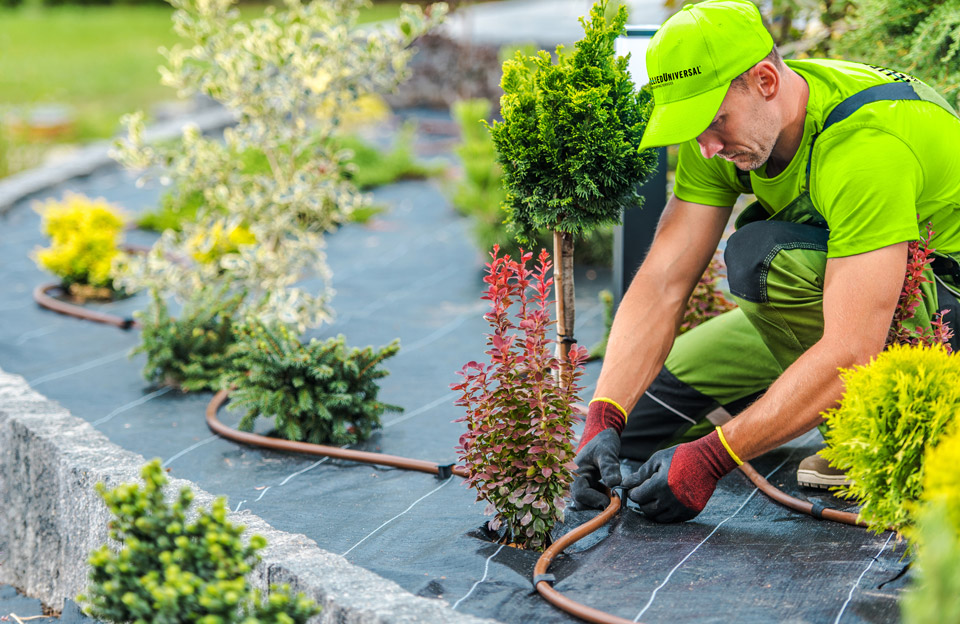
Working closely alongside experts helps navigate complexities associated various challenges faced during installations helping avoid costly mistakes down road leading towards greater satisfaction achieved upon completion projects thereby enhancing enjoyment derived from beautifully maintained outdoor spaces cultivated each season thereafter!
Final Thoughts
Installing an effective irrigation system involves more than simply laying down hoses or setting up timers; it requires thoughtful planning consideration surrounding multiple factors influencing success rates realized afterwards! By avoiding common pitfalls such as miscalculating requirements overlooking types chosen neglecting maintenance protocols seeking expert advice when needed ultimately leads towards healthier thriving landscapes benefiting owners communities alike!
Taking time upfront ensures investments made yield maximum returns enhancing beauty functionality within environments enjoyed day after day across seasons enriching lives those fortunate enough partake!